
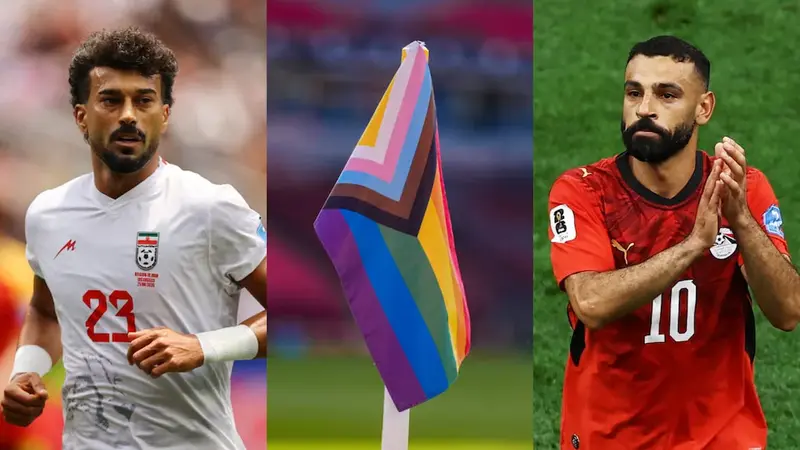
The Seattle Flashpoint
The Group G meeting between Iran and Egypt in Seattle was always going to carry competitive weight, but the story quickly moved beyond the pitch. Local organizers labeled the game a Pride Match, and that decision triggered sharp pushback from both federations. FIFA then found itself in the middle, trying to preserve stadium policy while avoiding a larger political crisis.
That tension matters because the match was not just a sporting fixture; it became a test of how a World Cup host city, the global governing body, and two culturally conservative federations would coexist under intense public scrutiny. As a result, the discussion around the game spread far beyond Seattle.
What Triggered the Dispute
The controversy started when Seattle organizers attached Pride-themed branding to the fixture. However, FIFA clarified that the match itself was a World Cup game, not an official FIFA Pride event. Even so, the label was enough to create a diplomatic and cultural clash before kickoff.
Iran and Egypt objected to the celebration, arguing that it conflicted with their religious and cultural values. Iran went further, warning about boycott pressure and calling for a total ban on rainbow flags inside the stadium. That set the stage for a highly charged standoff between national federations and the tournament’s governing authority.
FIFA’s Position
FIFA drew a clear line: rainbow flags would be permitted inside the stadium under its code of conduct. In other words, it did not accept calls to prohibit symbolic support from fans in Seattle. At the same time, FIFA tried to separate its own match operations from local community programming.
That approach was practical, but it also exposed a familiar problem in world sport. FIFA wants one global rulebook, yet World Cup hosts bring local politics, social movements, and civic identity into the same space. Therefore, even a simple stadium policy can become a major international issue when the teams involved are from countries with opposing social norms.
Why This Match Mattered
This was never just about flags. It was about how modern sport handles identity, symbolism, and public space when those values collide with national sensibilities. Moreover, the fixture showed how quickly a football match can become a proxy battle for wider cultural debate.
The real significance is that the World Cup increasingly sits at the intersection of competition and controversy. Fans came for football, but the conversation centered on governance, inclusion, and the limits of neutrality. Consequently, the Seattle fixture became a case study in how global tournaments absorb political pressure in real time.
What Comes Next
The football itself will decide the points, but the off-field debate has already left a mark on the tournament. FIFA’s stance suggests it will continue defending rainbow flags under its conduct rules, even when federations object strongly. That makes this match one of the clearest examples of sport meeting geopolitics head-on.