
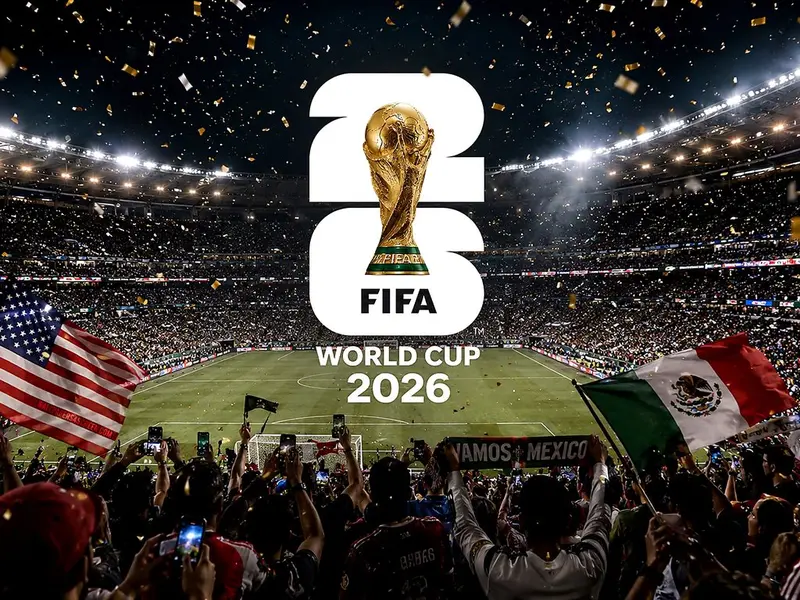
World Cup 2026: A Tournament Reflecting Football's New Reality
The FIFA World Cup has always served as a snapshot of the global football landscape. Every four years, it reveals not only who is winning matches but also how the sport itself is evolving.
The early stages of the 2026 FIFA World Cup have demonstrated a clear trend: football's traditional hierarchy remains intact, but it is facing stronger competition than ever before.
Nations once considered outsiders are arriving better prepared, tactically disciplined, and increasingly capable of competing against established powers. Meanwhile, football's historic giants continue to rely on their superior depth, tournament experience, and elite talent to maintain their status.
Rather than a tournament defined solely by favorites, the 2026 World Cup is becoming a study of how global football is balancing tradition with transformation.
Argentina: Champions Carrying the Weight of Expectation
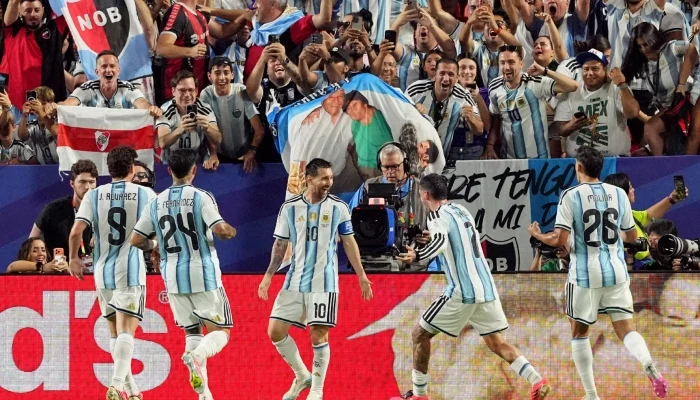
As defending world champions, Argentina entered the tournament under unique pressure.
History shows that defending a World Cup title is one of football's most difficult tasks. Opponents approach every match with greater intensity, while expectations from supporters and media increase dramatically.
So far, Argentina have handled those pressures effectively.
Several characteristics continue to define their performances:
- Tactical discipline across all phases of play
- A balanced midfield capable of controlling possession
- Strong defensive organization
- Tournament experience throughout the squad
What stands out most is their maturity.
Unlike younger teams that can become emotionally reactive during difficult moments, Argentina appear comfortable managing games. Their players understand the rhythm of tournament football and rarely panic when matches become tense.
While it remains too early to identify a favorite, Argentina have shown why many analysts still view them as one of the strongest contenders for the title.
Germany's Return to Efficiency
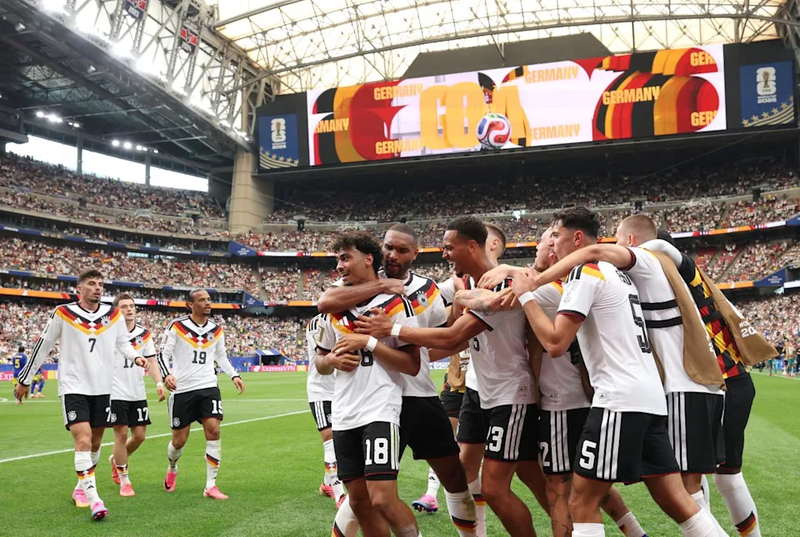
Germany's recent international tournaments have often been accompanied by questions regarding consistency and identity.
At the 2026 World Cup, however, Germany have shown encouraging signs of returning to the qualities that historically made them one of football's most successful nations.
Their performances have highlighted:
- Aggressive pressing
- Quick ball circulation
- Clinical finishing
- Tactical flexibility
Perhaps more importantly, Germany appear to possess a clearer footballing identity than in some recent tournaments.
Historically, successful German teams have not always been the most entertaining. Instead, they have been among the most efficient.
Early evidence suggests that efficiency is returning.
The challenge will be maintaining that level against stronger opposition in the knockout rounds.
Brazil's Search for Balance
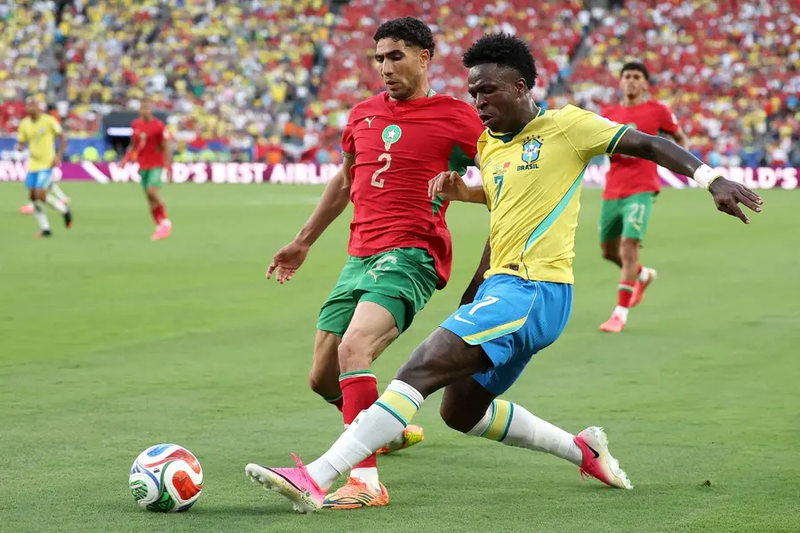
No nation carries greater World Cup expectations than Brazil.
Five-time world champions and producers of some of football's greatest players, Brazil arrive at every tournament expected not merely to compete but to inspire.
Yet modern international football presents challenges that differ significantly from previous eras.
Brazil continue to possess extraordinary technical quality, but the tactical landscape has evolved. Opponents are more organized, defensive structures are stronger, and spaces are harder to exploit.
The key question surrounding Brazil is not talent.
It is balance.
Can they combine attacking creativity with the defensive discipline required to win a modern World Cup?
Early performances suggest promise, but they have also highlighted areas that stronger opponents may seek to exploit.
For Brazil, the tournament remains less about potential and more about consistency.
The Rise of Football's New Competitors
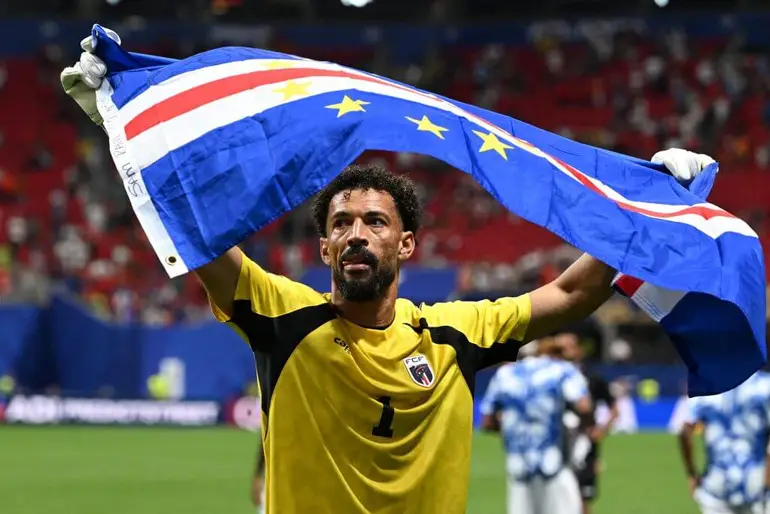
Perhaps the most significant story of the tournament is the continued emergence of nations traditionally considered outside football's elite.
Several teams have demonstrated that international football is becoming increasingly competitive.
Factors contributing to this shift include:
Improved Player Development
Many emerging nations now benefit from:
- Modern academies
- International coaching expertise
- Better youth development pathways
Globalized Talent Networks
Players from smaller football nations increasingly develop within elite European clubs, gaining valuable experience before representing their countries.
Tactical Advancement
Access to data analysis, performance technology, and advanced coaching methodologies has narrowed the gap between football's largest and smallest nations.
As a result, matches that once appeared predictable have become far more competitive.
This trend may be the most important long-term development in international football.
Why the Expanded World Cup Matters
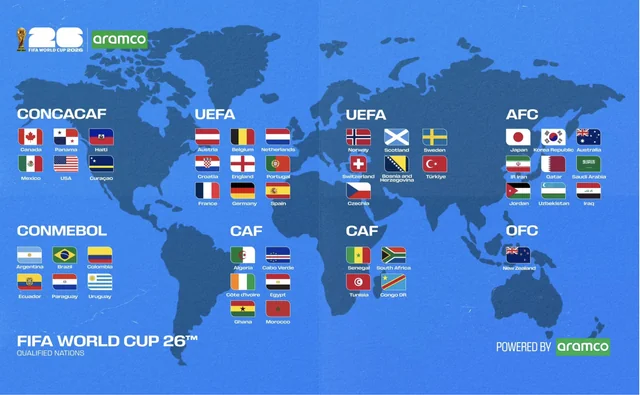
The expansion to 48 teams generated considerable debate before the tournament.
Critics feared:
- Reduced quality
- More one-sided matches
- An overcrowded schedule
However, the early stages have offered evidence supporting the opposite argument.
The expanded format has:
- Increased geographical representation
- Introduced new football cultures
- Created fresh storylines
- Allowed emerging nations to gain valuable tournament experience
Importantly, participation alone should not be confused with competitiveness.
Many of the newer entrants have demonstrated genuine quality and tactical organization.
The tournament has become broader without necessarily becoming weaker.
Tactical Trends Defining the Tournament
Several tactical themes have emerged across the competition.
Structured Pressing
Teams are pressing higher and more collectively than in previous generations.
Defensive Compactness
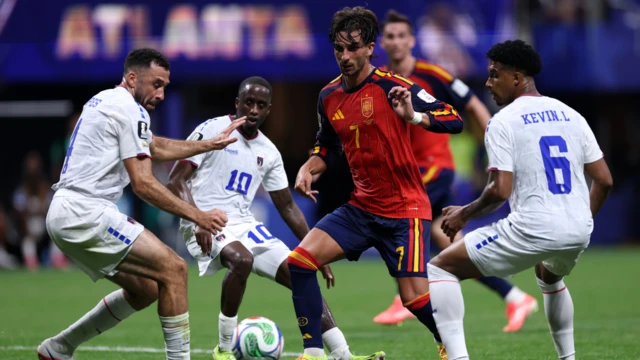
Even underdogs are capable of maintaining disciplined defensive shapes for extended periods.
Midfield Control
Successful teams are prioritizing possession and territorial control rather than relying solely on individual brilliance.
Squad Depth
The demanding schedule means strong benches are becoming increasingly important.
These trends illustrate how international football continues to evolve toward greater tactical sophistication.
A World Cup Defined by Competitive Balance
It would be premature to draw definitive conclusions from the opening phase of the tournament.
History has shown that early momentum does not always translate into ultimate success.
Yet one observation already appears clear.
The 2026 FIFA World Cup is not simply showcasing football's traditional powers. It is showcasing the sport's continued globalization.
Argentina, Germany, Brazil, France, England, and Spain remain among the strongest teams in the competition. Their resources, talent pools, and tournament experience still provide significant advantages.
But the gap between the elite and the challengers is narrowing.
That development is healthy for the sport.
It creates uncertainty, encourages innovation, and ensures that every match carries genuine significance.
As the tournament progresses toward the knockout stages, the question is no longer whether emerging nations can compete with football's traditional powers.
The question is how far they can go.