
History: The Satirical Spark and the Digital Swarm
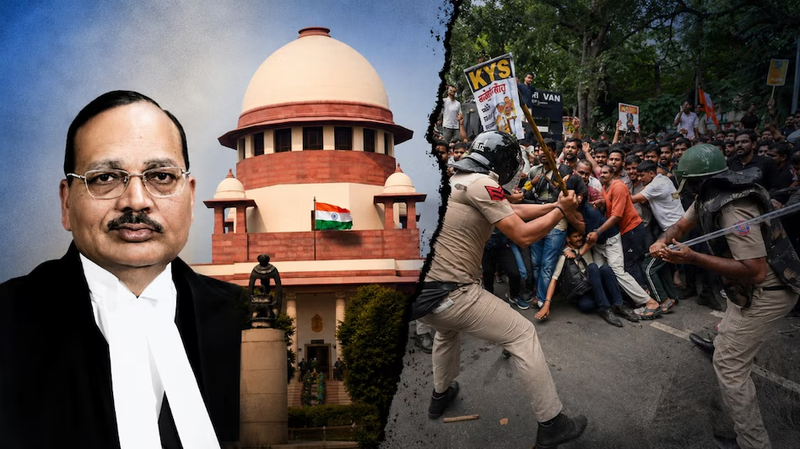
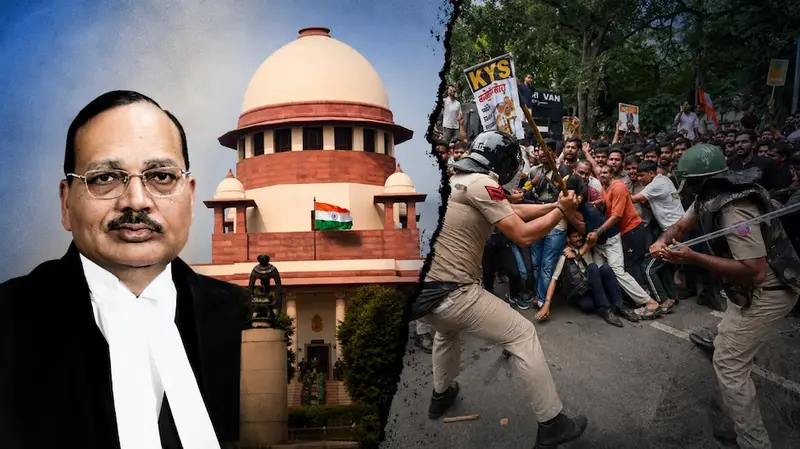
The genesis of the Cockroach Janta Party (CJP) dates back to May 15, 2026. During a court hearing, Supreme Court Chief Justice Surya Kant reportedly referred to unemployed youth and drifting activists as "cockroaches" and "parasites of society." Intended as a critique of individuals using fraudulent degrees, the remark struck a raw nerve across a generation battling a 30-year high in unemployment.The very next day, May 16, 2026, Abhijeet Dipke—a Boston University public relations graduate and former digital political strategist—posted a simple question on social media: "What if all cockroaches came together?" Dipke launched a parody website and dubbed the movement the "Cockroach Janta Party," a brilliant linguistic play on Prime Minister Narendra Modi’s ruling Bharatiya Janata Party (BJP).Instead of rejecting the insult, India’s youth weaponized it. The cockroach became an overnight symbol of ultimate resilience—an insect that can survive any apocalypse. Self-described as the "Voice of the Lazy & Unemployed," the CJP's official platform featured tongue-in-cheek disclaimers such as "HQ: Wherever the WIFI Works" and "Now Accepting Rants, Retweets, and Resentment." Within weeks, a Google registration form pulled in over a million members, and the movement's Instagram page exploded to over 22 million followers, signaling a historic Gen Z awakening.
Present: From Internet Memes to Streets of Fire
By June and July 2026, the movement shed its purely digital skin. The catalyst for this real-world transition was a string of massive education scandals, centered around paper leaks in the high-stakes National Eligibility cum Entrance Test (NEET) medical entrance exams. For millions of youth who spent years studying, the leaks represented a broken system built on corruption.The CJP organized its first major physical protest on June 6 at Delhi's Jantar Mantar. By late July 2026, the situation escalated into a full-blown national crisis. Tens of thousands of young demonstrators marched toward Parliament, defying police bans. The state response was severe; police used tear gas, water cannons, and baton charges to disperse the young crowds, leading to injuries and temporary internet shutdowns.Despite the crackdowns, thousands remain camped at Jantar Mantar in brutal summer humidity, organizing food distribution and peaceful resistance. The party stands firm on its core "Five Demands" posted on the Cockroach Janta Party Official Website:
- The immediate resignation of Federal Education Minister Dharmendra Pradhan over exam irregularities.
- Comprehensive overhauls and transparency in national testing agencies.
- Strict laws against political party-hopping by elected officials.
- Greater female representation in government and judiciary.
- An end to media monopolies and judicial post-retirement political appointments.
Notable Supporters and Institutional Backing
The CJP’s meteoric rise has caught the attention of prominent figures across India's civil society and political spectrum:
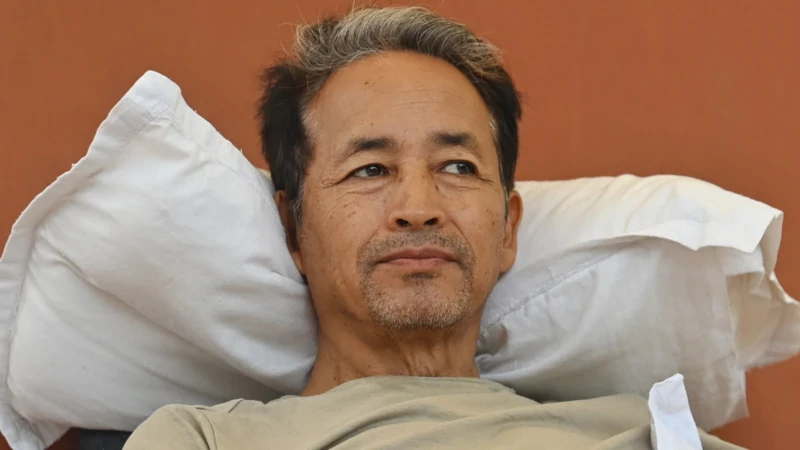
- Sonam Wangchuk: The renowned educational reformist and engineer brought massive mainstream gravity to the movement by launching a grueling, multi-week hunger strike in solidarity with the students at Jantar Mantar.
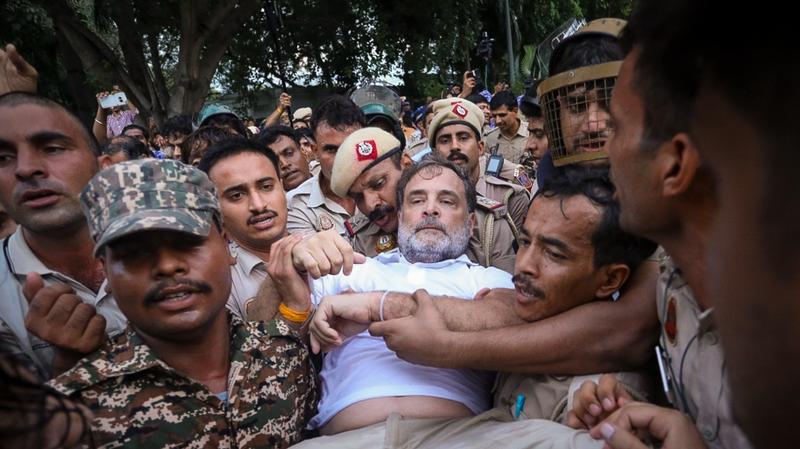
- Rahul Gandhi and the Indian National Congress (INC): The leader of the opposition explicitly backed the CJP, protesting outside the Prime Minister’s residence and slamming the government for overseeing "152 exam leaks over the past decade with zero convictions."
- Yogendra Yadav: The acclaimed political scientist praised the movement, writing that the CJP is a vital glimpse of "energy that can reclaim the republic."
- CJP Leadership Core: Beyond Dipke, the movement is steered by public faces and spokespersons like Saurav Das, Vaishnavi Gaur, and Aafreen Nawaz, who handle intense media scrutiny and coordinate ground-level strategies.
Future Expectations: A Transient Moment or a New Political Era?
The ultimate trajectory of the Cockroach Janta Party remains an open, hotly debated question in South Asian politics.In the short term, the CJP faces immense pressure. The ruling government has shown resistance to removing Minister Pradhan, viewing a retreat as a sign of weakness in a newly fractured parliament. Analysts warn that keeping thousands of disgruntled youth mobilized in the streets without an official electoral structure is incredibly difficult.However, the future potential of the CJP lies in its structural evolution. Reports indicate that CJP factions are already considering backing candidates for upcoming local elections, such as the Bankipur Assembly by-election in Bihar. If the CJP successfully transitions from a protest committee into a registered, decentralised political entity, it could fundamentally alter India’s voter calculus.Even if it does not contest national elections, the CJP has rewritten the rules of political engagement. It has proven that Gen Z can seamlessly bridge digital satire with high-stakes street activism. The "cockroaches" have proven they can survive the digital blockages and police batons; their long-term survival will depend on turning raw youth anger into sustained institutional policy.