
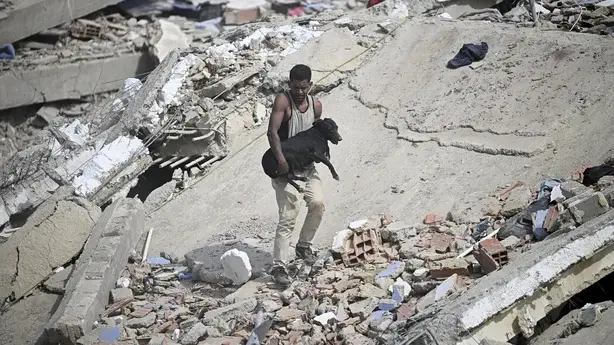
The aftermath of the Venezuela earthquake has become one of the most urgent disaster responses in the region this year. Twin powerful quakes struck the country’s central and coastal areas, leaving collapsed buildings, overwhelmed hospitals, and families searching for missing relatives. As rescue crews continue digging through debris, the situation is shifting from immediate survival to a wider humanitarian and political test.
What happens next will depend on three things: how quickly rescuers can find people trapped under rubble, how effectively aid can be delivered to the hardest-hit areas, and how well authorities can maintain public order while restoring basic services. Meanwhile, aftershocks have made the work more dangerous, which means the emergency phase is still very active.
Latest field situation
The latest reporting shows the death toll has climbed sharply, with official and live news updates citing figures ranging from at least 920 to more than 1,400 dead as the situation has been updated repeatedly. The number of injured has also risen into the thousands, while more than 400 aftershocks have been recorded, complicating rescue work and forcing some residents to remain outdoors or in temporary shelters. These numbers are changing fast, but they all point to a major national disaster with a widening humanitarian footprint.
In the hardest-hit zones, rescue teams are still searching collapsed homes, apartment blocks, and damaged public buildings. One major challenge is access: some areas remain restricted because of unstable structures, road damage, and ongoing security or military control during rescue operations. In several neighborhoods, survivors have reportedly complained that help has been slow to arrive, which is common in the early phase of a disaster but politically sensitive when public trust is already fragile.
Rescue operations
Rescue work in Venezuela is now a multinational effort. U.N. coordination reports say at least 30 search teams from different countries are involved, with more than 1,600 personnel and over 100 dogs assisting the search for survivors. That matters because the first 72 hours after an earthquake are usually the most critical for saving trapped people, especially in dense urban areas where buildings can pancake or collapse unevenly.
The United States has also deployed urban search-and-rescue teams, along with a disaster assistance response team and specialist equipment. According to U.S. statements reported in live coverage, American responders have been working on life-saving operations and even helped repair runway damage at Simón Bolívar airport to improve logistics. That kind of support is important because air access can determine how quickly rescue personnel, medicine, and heavy equipment reach the disaster zone.
Humanitarian aid
Aid is now arriving from more than a dozen countries, and the focus is shifting from pure rescue to broader humanitarian relief. Reports indicate that international support includes technical assistance, medical supplies, paramedics, and shelter-related supplies for displaced families. In other words, the response is evolving into a full emergency relief operation, not just a search mission.news.
The field picture also suggests that food and water distribution has become a top priority. Venezuelan officials have said supplies are being surged into affected areas, while power restoration efforts are slowly improving access to basic services. One live update said electricity had been restored to about 60% of pre-quake levels, which is significant but still leaves many communities without stable power.
Nations involved
Several countries are now part of the response, either through direct rescue teams, humanitarian material, or logistical support. The U.S. has the most visibly reported deployment, including specialized search-and-rescue teams and broader disaster assistance. Regional and international partners are also contributing aid, with reports highlighting participation from countries across the Americas and beyond.
The presence of so many foreign responders is important for two reasons. First, it expands the number of trained crews available to search for survivors. Second, it sends a diplomatic signal that the disaster is being treated as a regional humanitarian emergency rather than only a domestic issue. That said, foreign aid works best when it is coordinated with local authorities, because duplication or delays can slow the response.
What is changing
What is changing most sharply is the scale of the response. At the start, the emergency centered on rescue, missing persons, and initial casualty counts. Now, the focus is broadening to hospital overload, sheltering displaced families, restoring power and transport, and moving toward recovery planning.
Another major change is the growing international footprint. The rescue effort is no longer just Venezuelan state agencies working alone; it now involves foreign specialists, U.N. coordination, and humanitarian logistics from multiple nations. That increases capacity, but it also raises the bar for coordination, transparency, and public communication.
Political and recovery outlook
The earthquake has also exposed the country’s broader vulnerabilities. Venezuela entered this disaster with existing economic strain and public frustration, so disaster response is being judged not just on technical performance but on whether it feels fair, visible, and fast enough. If people in affected areas believe assistance is uneven, criticism will grow quickly.
For now, the decisive question is whether rescue crews can still find survivors before the window closes. After that, the challenge becomes recovery: rebuilding homes, repairing infrastructure, restoring services, and preventing disease or displacement from becoming a second emergency. The next several days will tell us whether Venezuela can contain the disaster’s human toll or whether the crisis deepens further.