
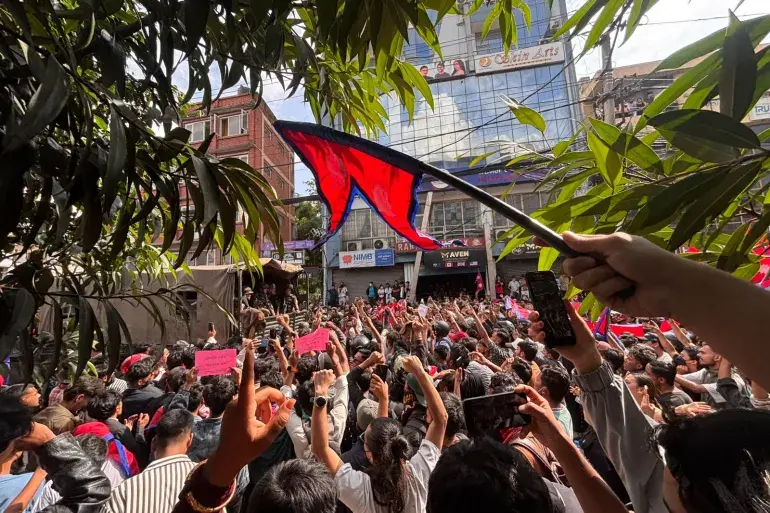
From online frustration to street power
Nepal’s Gen Z movement is one of the clearest signs that the country’s youth are no longer passive observers. Recent reporting shows that youth demonstrations in Kathmandu demanded accountability for the deadly 2025 uprising and the collapse of the previous government, while other coverage described the movement as part of a wider wave of anger over corruption, inequality, and censorship.
The protests were not random. They grew out of years of frustration. Young Nepalis have seen too much political instability, too little accountability, and too few opportunities. When social media became restricted, the anger moved faster and spread wider.
Why Gen Z became politically powerful
What makes this generation different is how it communicates. Its politics are built through:
- short videos,
- memes,
- hashtags,
- direct criticism,
- and online solidarity.
That matters because youth politics now moves at the speed of the internet. A message that once needed newspapers or speeches can now spread in minutes. In Nepal, that has created a new public language around corruption and privilege. It also makes protests harder for traditional politicians to ignore.
The deeper meaning of the protests
This is not just about one uprising. It signals a deeper change in how youth see the state. A Harvard analysis of the Gen Z movement notes that youth unemployment remains structurally high, while digital entrepreneurship, freelancing, and content creation are becoming important income paths for urban youth.
That shift tells us something important: young Nepalis are not rejecting work. They are rejecting a system that does not reward effort fairly. They want:
- accountability,
- jobs,
- freedom of expression,
- and a political system that feels modern rather than inherited.
Why this is still current
The story is still live because the political consequences are not over. Youth are demanding answers, investigations, and real reform. The protests have also changed how future elections will be judged. Politicians can no longer assume that young voters are easy to impress.
For Nepal’s youth, this movement is both a warning and a hope. It shows how angry the generation has become, but it also proves that young people can shape national politics when they organize.