

A country losing its young workforce
Nepal’s biggest story in 2026 is still the departure of its young people. Recent reporting shows that around 1,500 young Nepalis leave the country every day for work, while 393,067 youths obtained labor permits in the first six months of the current fiscal year, up 14.46 percent from the same period last year. That means the migration pipeline is not slowing down; it is growing.
For many Nepali youth, the decision is not about adventure. It is about survival. Low wages, weak job creation, and uncertainty at home make foreign labor seem like the only realistic path. The most common destinations are the UAE, Saudi Arabia, Qatar, Kuwait, Malaysia, Japan, Romania, and Croatia, which shows how broad Nepal’s overseas job market has become.
Why the trend is so strong
The reasons behind youth departure are easy to list but hard to fix:
- Unemployment and underemployment remain high.
- Many available jobs pay too little to build a future.
- Political promises do not match daily reality.
- Young people see better earnings abroad than in Nepal.
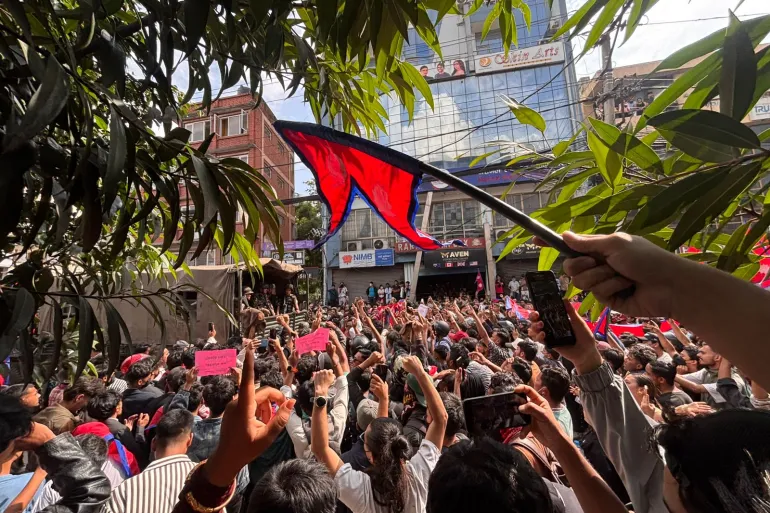
Reuters reported that even election promises have not reduced the desire to leave, because many youths simply do not believe local politics can create enough jobs. That distrust matters because migration becomes more than a financial choice; it becomes a vote of no confidence in the country’s future.
What Nepal gains and loses
Remittances keep Nepal’s economy moving. They support households, pay for education, and help families survive rising living costs. But there is a hidden cost: Nepal loses its most productive age group just when it needs them most.
The long-term risks include:
- fewer young workers in agriculture and industry,
- weaker local entrepreneurship,
- lower innovation,
- more dependency on remittance income,
- and greater pressure on family structure and village life.
Why this matters to youth
For Nepali youth, this is not just an economics story. It is about dignity, aspiration, and the right to build a life at home. If the country cannot create enough jobs, young people will keep leaving even when they do not want to. That is why this issue sits at the center of Nepal’s future.